
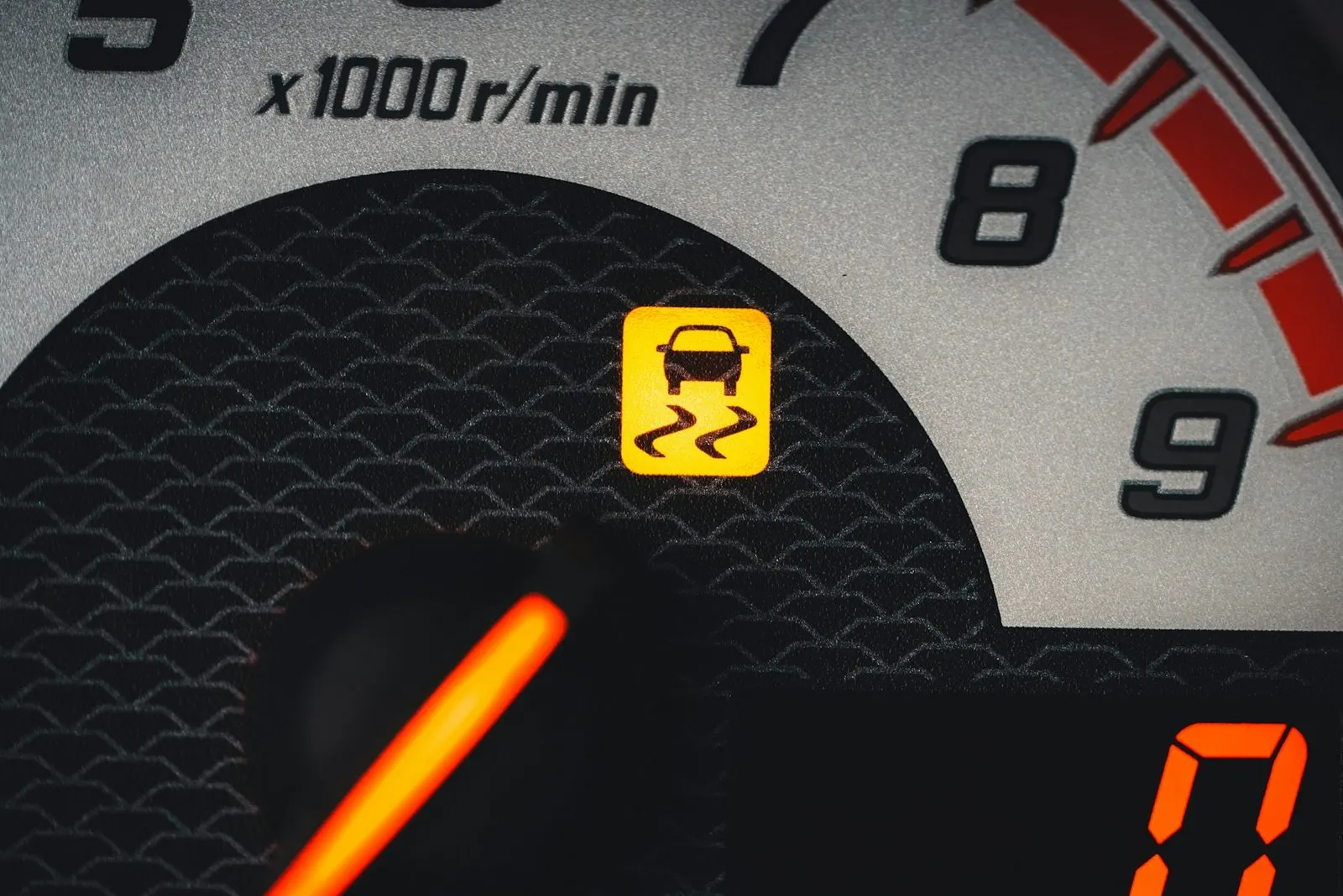
The check engine light is the most misunderstood light on the dashboard. It does not mean one thing. It means the car’s engine management system has noticed something outside its normal range and wants someone to look. That something could be minor or it could be serious, and the light alone will not tell you which.
Symptoms
The light itself is the main symptom, but it rarely arrives alone. Look out for:
- A steady amber engine light, with the car otherwise driving normally.
- A flashing engine light. This is more urgent than a steady one.
- Rough running or misfiring, where the engine shakes, stutters or feels uneven at idle.
- Less power than usual, or hesitation when you press the accelerator.
- Using more fuel than it normally does.
- A smell of fuel or burning, or more smoke from the exhaust than usual.
Why it matters
The light has many possible causes. Some are small, some are expensive if left, and a few can damage other parts of the engine if you keep driving. The trouble is that from the driver’s seat, they can all look the same: one little amber light.
Ignoring it is a gamble. Guessing is another one. A part replaced because “it is usually that” can leave you with the same light and a lighter wallet. That is why, at Auto Click, diagnosis comes first.
What the job generally involves
Diagnosing a check engine light generally starts with reading the fault information the car has stored. That points to the system that raised the alarm, but it is a starting point, not an answer. The same fault reading can have more than one cause.
From there, the job is tracking it down:
- Listening to you. When the light came on, what the car was doing, and anything that changed around the same time.
- Reading what the car has stored to see which system flagged the fault.
- Checking the likely causes on the car itself until the actual one is found.
- Explaining what we found in plain words, with what it will take to put right.
Only then does anything get repaired or replaced, and only once you say go.
Practical tips
- Note whether the light is steady or flashing. A photo of the dashboard is ideal.
- Write down what the car was doing when the light came on: cold start, climbing a hill, at speed, after filling up.
- Check your fuel cap is closed properly if the light came on just after filling up. It is worth mentioning either way.
- Do not ignore a flashing light. Pull over somewhere safe and call before driving on.
- Do not let anyone just clear the light without finding the cause. It will usually come back.
Related services
Engine warning lights sit under auto electric, alongside the aircon service. If the light comes with a noise, a leak or a change in how the car drives, the auto mechanics side of the workshop is in the same building.